What to Expect From a Headstone Engraving Service
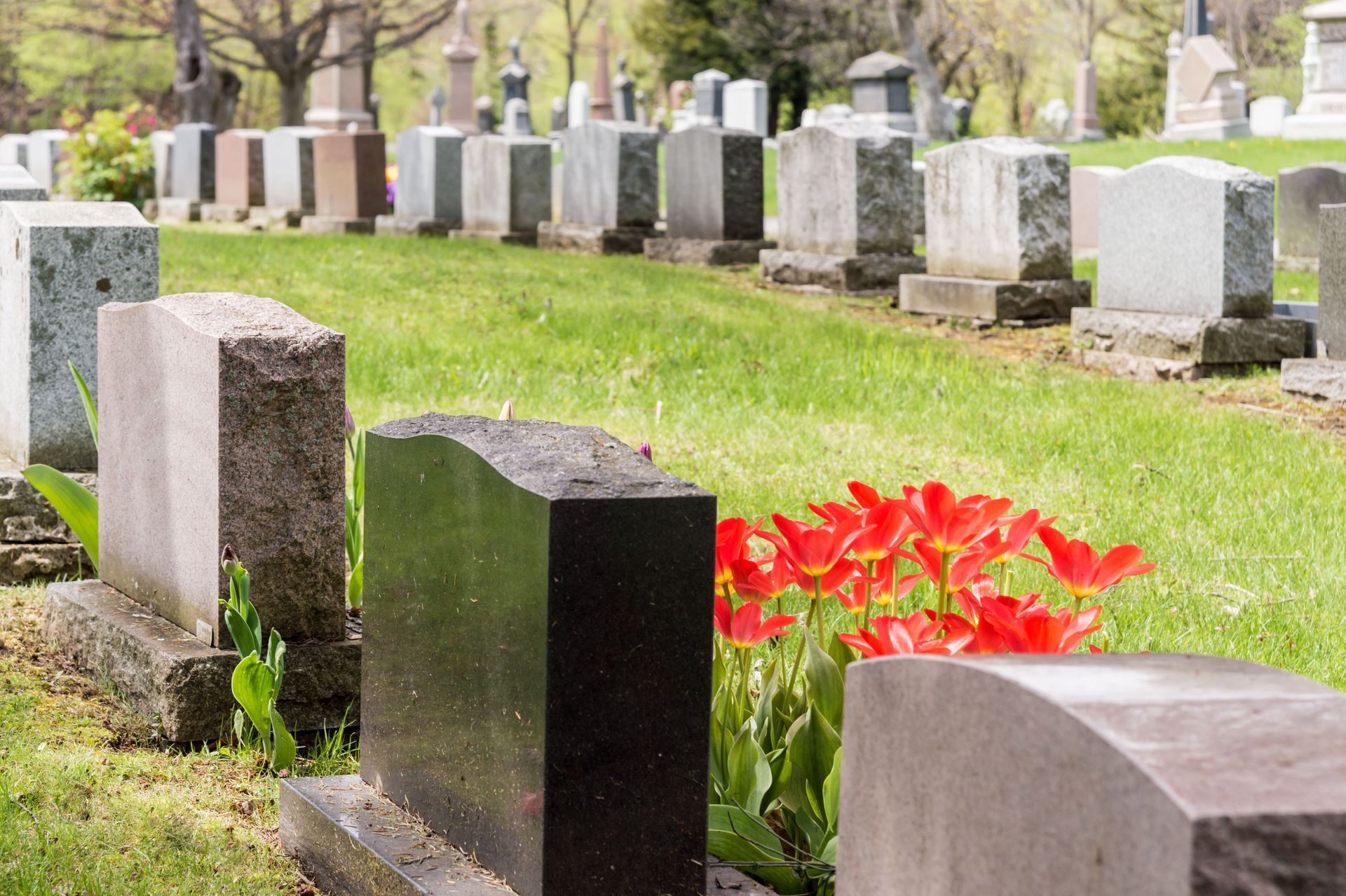
The process of memorializing a loved one through a headstone is steeped in tradition and emotional significance. Not only is it a way to mark their resting place, but it also serves as a lasting tribute to their life and legacy. A headstone engraving service can help ensure that the memorial reflects the unique qualities of the deceased, providing comfort and continuity for the bereaved. Understanding what to expect from such a service can help alleviate some of the stress and uncertainty associated with planning a memorial. Families often find reassurance in knowing each step of the process ahead of time.
Headstone engraving is a specialized craft that combines artistic skill with technical precision. The quality and type of engraving can greatly influence the overall appearance and durability of the memorial. This article provides a comprehensive guide to the various aspects involved in choosing and working with a headstone engraving service, including factors to consider when designing inscriptions, selecting materials, and understanding relevant regulations. By examining these components, individuals can make informed decisions that honor their loved ones’ memory in a respectful and enduring manner. Clear guidance can also help prevent costly or emotional revisions later.
In this article, we will explore the basics of headstone engraving, current trends and innovations in the field, and tips for creating personalized and meaningful memorials. Whether selecting a traditional granite headstone or a custom plaque, understanding how a headstone engraving service works can help families plan with greater clarity and confidence. Memorial choices are deeply personal, and having the right information supports thoughtful decision-making. This knowledge helps families feel more prepared throughout the memorialization process.
Understanding the Basics of Headstone Engraving
History of Headstone Engraving
Headstone engraving is a time-honored tradition that dates back to ancient civilizations, where engraved stones were used to commemorate the deceased. Early markers were simple, often displaying only names or symbols tied to religious beliefs. Over time, engraving methods evolved as tools and craftsmanship improved, allowing for greater detail and artistic expression. Modern headstone engraving service providers build upon these historical foundations while incorporating contemporary design techniques. This blend of tradition and innovation keeps memorial practices relevant.
As societies progressed, headstone engravings began to include epitaphs, imagery, and meaningful inscriptions that reflected personal identity. These additions transformed headstones into deeply personal memorials rather than simple markers. Despite stylistic changes throughout history, the purpose of engraving has remained consistent: preserving memory and honoring life. Families continue to value engraved memorials for their permanence and symbolism. This consistency reflects the enduring role of memorialization.
Today, a headstone engraving service often blends traditional craftsmanship with advanced technology such as laser engraving and computer-aided design. These innovations allow for greater accuracy and customization while maintaining respect for historical practices. Even as memorial preferences change, engraving remains a central part of how families commemorate loved ones. Modern tools simply expand the creative possibilities available. This evolution allows memorials to remain both meaningful and durable.
Common Materials Used
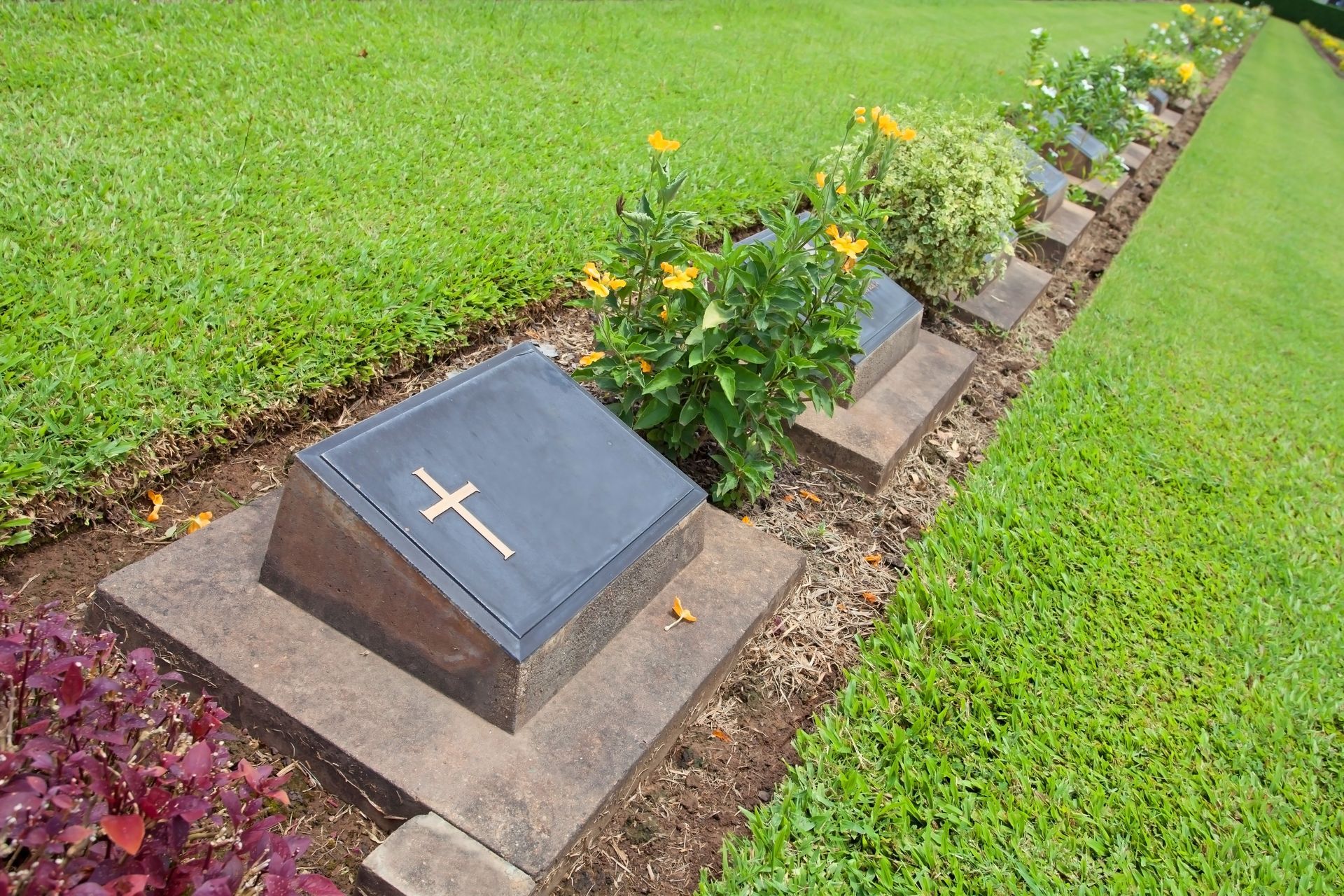
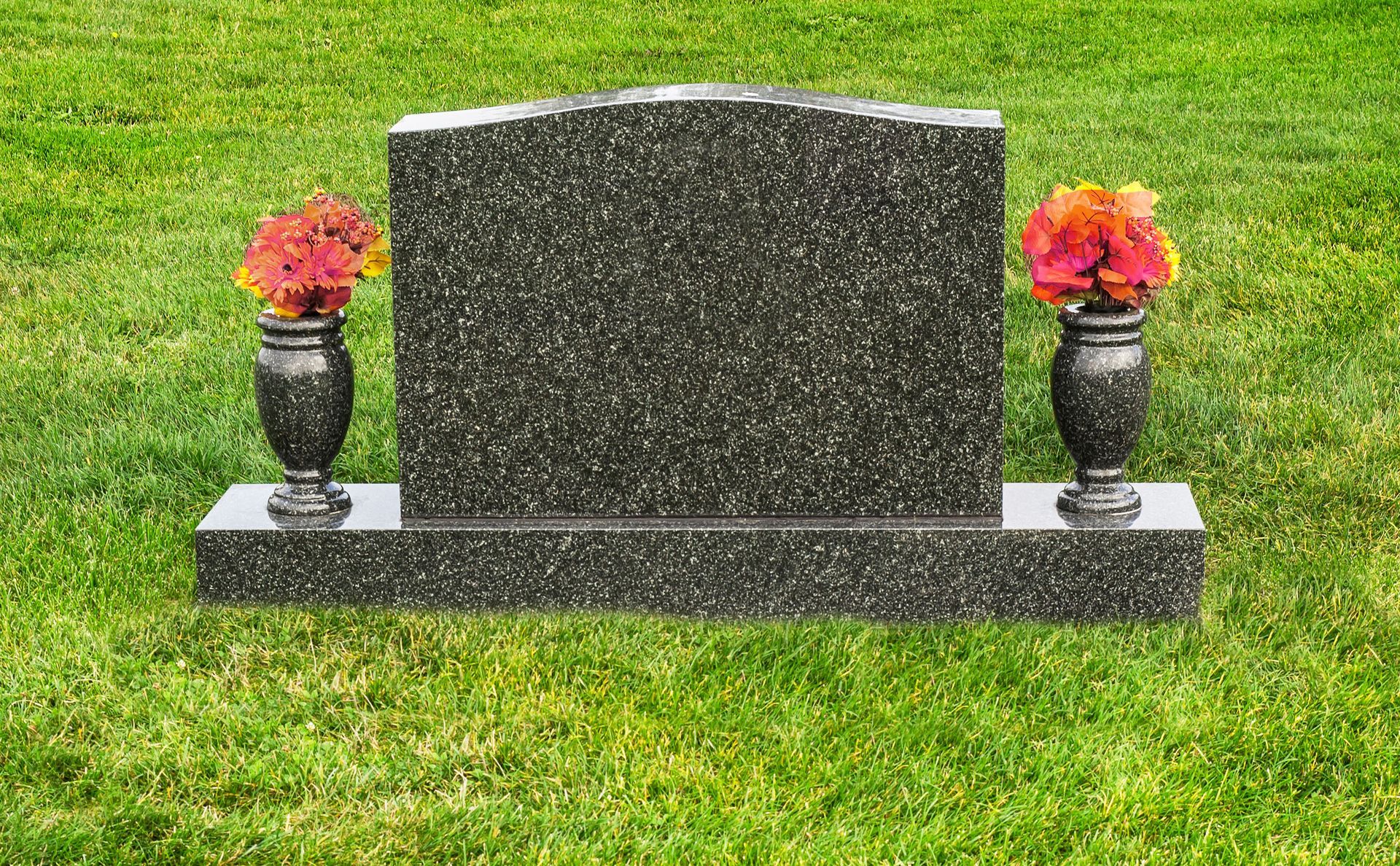
Headstones are made from a range of materials, each offering distinct benefits. Granite is the most commonly used material due to its durability, weather resistance, and long-lasting appearance. Marble offers classic beauty but is more susceptible to erosion, making it better suited for certain environments. Bronze is often used for plaques and accents, providing a refined and decorative option. A professional headstone engraving service can help families compare materials based on longevity, appearance, and maintenance needs.
In addition to traditional stone, modern memorials may incorporate materials such as glass or stainless steel. These alternatives appeal to families seeking contemporary designs or nontraditional memorial styles. Each material presents unique engraving challenges and opportunities. Understanding these differences helps families choose options that align with their vision. Professional input helps avoid material mismatches.
The chosen material influences both engraving techniques and final appearance. Some materials require deeper engraving, while others rely on surface detailing. An experienced headstone engraving service understands how different materials respond to engraving methods and can recommend options that balance aesthetics with durability. This guidance helps protect the memorial’s appearance over time. Material choice plays a major role in longevity.
Types of Engravings Available
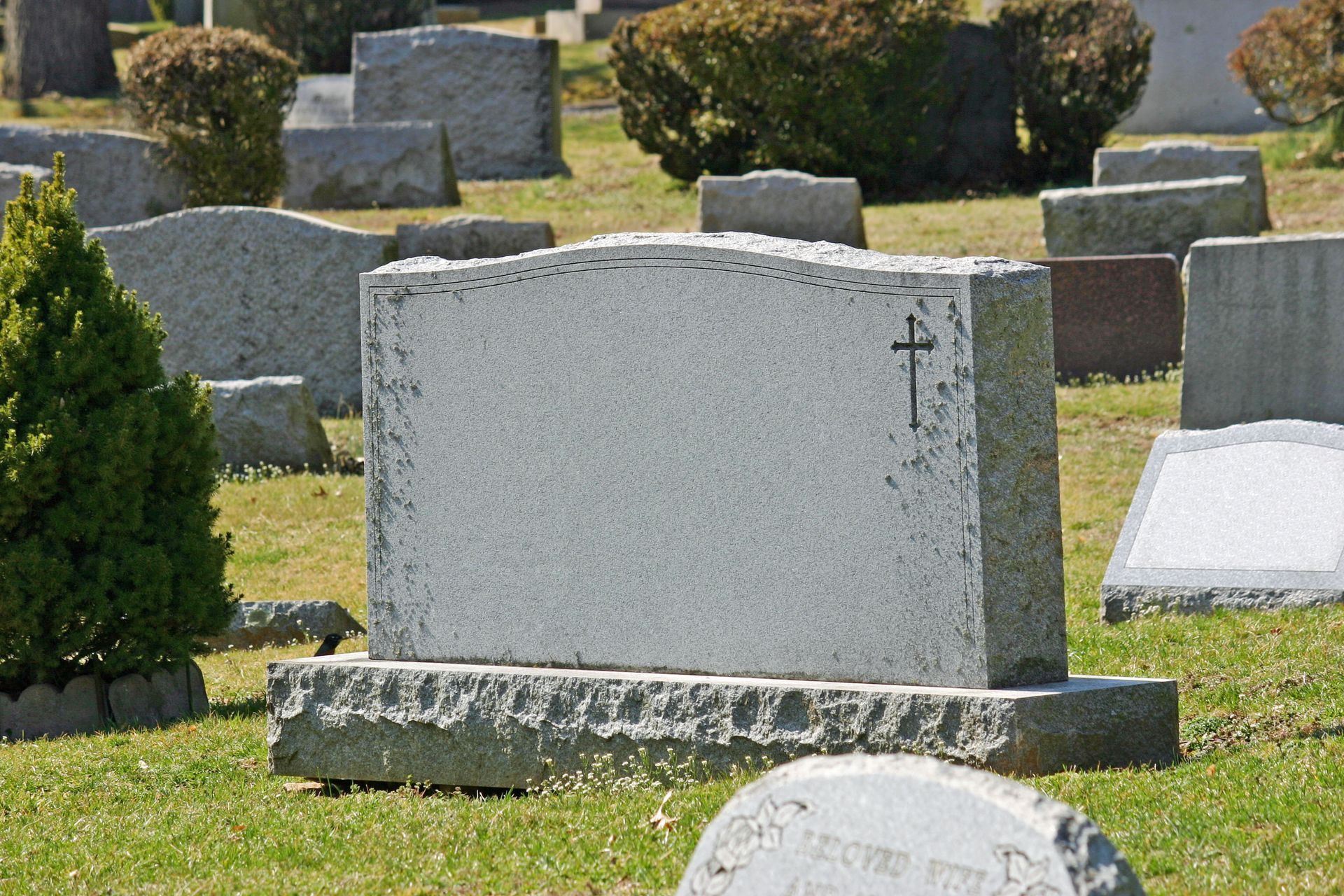
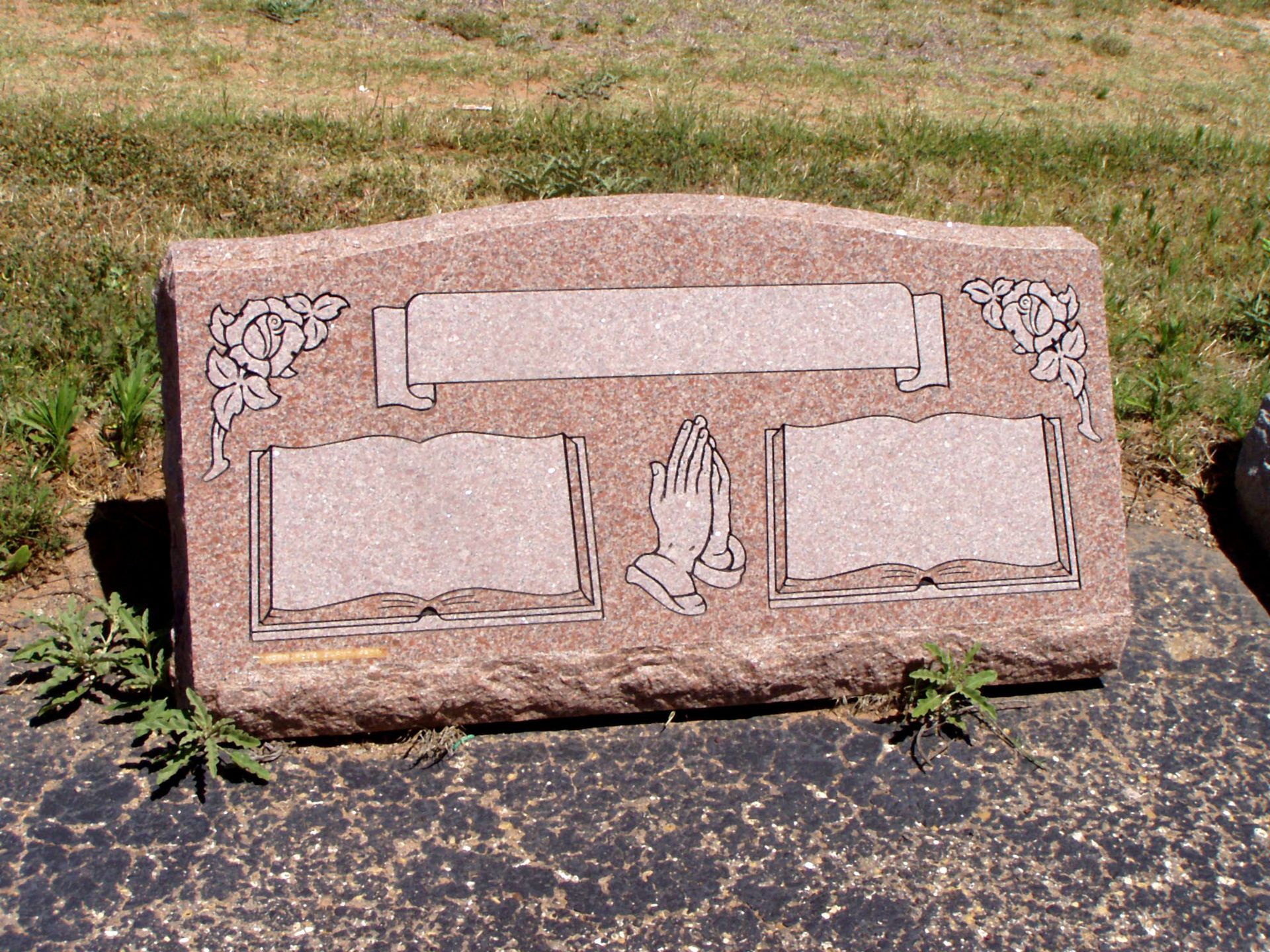
Engraving styles range from traditional inscriptions to modern and fully customized designs. Traditional engravings typically include names, dates, and short epitaphs, offering a timeless look. Modern engravings may feature detailed imagery, portraits, or decorative elements. A skilled headstone engraving service can execute a wide range of styles to meet individual preferences. These options allow families to reflect personal values and stories.
Custom engravings allow families to incorporate meaningful symbols, artwork, or text that reflect the personality and life story of the deceased. Cultural and religious influences often guide these design choices. Working with an engraving professional helps clarify what is possible based on material and cemetery guidelines. This collaboration helps avoid design conflicts. Customization adds emotional depth to memorials.
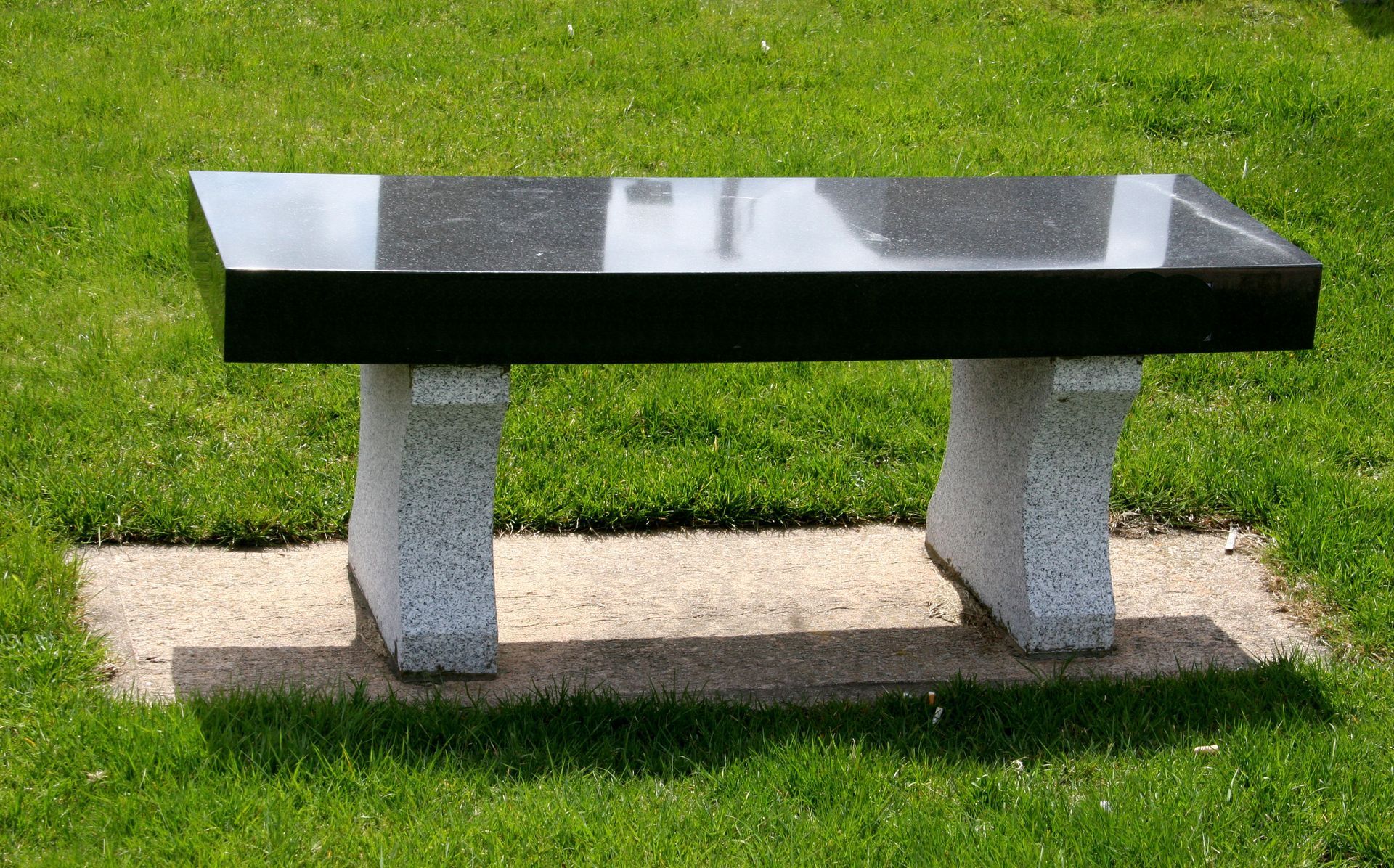
Memorial preferences continue to evolve as families consider different ways to honor loved ones. According to the National Funeral Directors Association, the 2024 cremation rate is 61.9%, while the burial rate is 33.2%. This shift has expanded the role of headstone engraving beyond traditional grave markers to include cremation memorials, garden stones, and commemorative plaques. As a result, engraving designs have become more flexible, allowing families to create meaningful tributes regardless of how remains are handled. This flexibility supports modern memorial practices.
Significance of Personalization
Personalization allows families to transform a headstone into a meaningful tribute that reflects individuality and legacy. Custom fonts, inscriptions, and imagery add emotional depth and personal connection. A thoughtful headstone engraving service helps translate memories and values into a cohesive design. These details help memorials feel more personal and intentional. Personalization often brings comfort to loved ones.
Personalized engravings may include favorite quotes, religious references, or symbols tied to hobbies and achievements. These details help visitors connect with the story behind the memorial. For many families, the personalization process itself offers comfort during a difficult time. It can also provide a sense of closure. Thoughtful design choices help preserve memory.
As memorial styles become more diverse, personalization plays an increasingly important role. Families are no longer limited to uniform designs or layouts. Working closely with a headstone engraving service allows families to create a lasting tribute that feels authentic and respectful. This collaboration ensures the memorial reflects true individuality. Personalization strengthens emotional connection.
Legal Considerations
Cemetery regulations often dictate headstone size, material, and design requirements. Understanding these rules before production begins helps prevent delays or rework. An experienced headstone engraving service can assist with confirming compliance and coordinating approvals. This step helps avoid unexpected installation issues. Regulatory awareness supports smoother timelines.
As memorial practices diversify, legal standards may vary by location and cemetery type. Regulations may differ for cremation memorials versus traditional burials. A knowledgeable headstone engraving service helps families work through these considerations with clarity and confidence. Professional guidance helps reduce stress. This support improves decision-making.
Choosing a headstone engraving service is an important step in honoring a loved one’s memory with care and intention. From understanding materials and engraving styles to navigating personalization and cemetery guidelines, each decision contributes to a memorial that reflects both respect and remembrance. As memorial preferences continue to evolve, families now have more flexibility than ever in how they commemorate life and legacy. Taking the time to work through the process thoughtfully helps create a lasting tribute that provides comfort, preserves memory, and stands as a meaningful reflection of a life remembered. Contact Cullis Memorials today to learn more.