Gravestones and Their Long History in Society
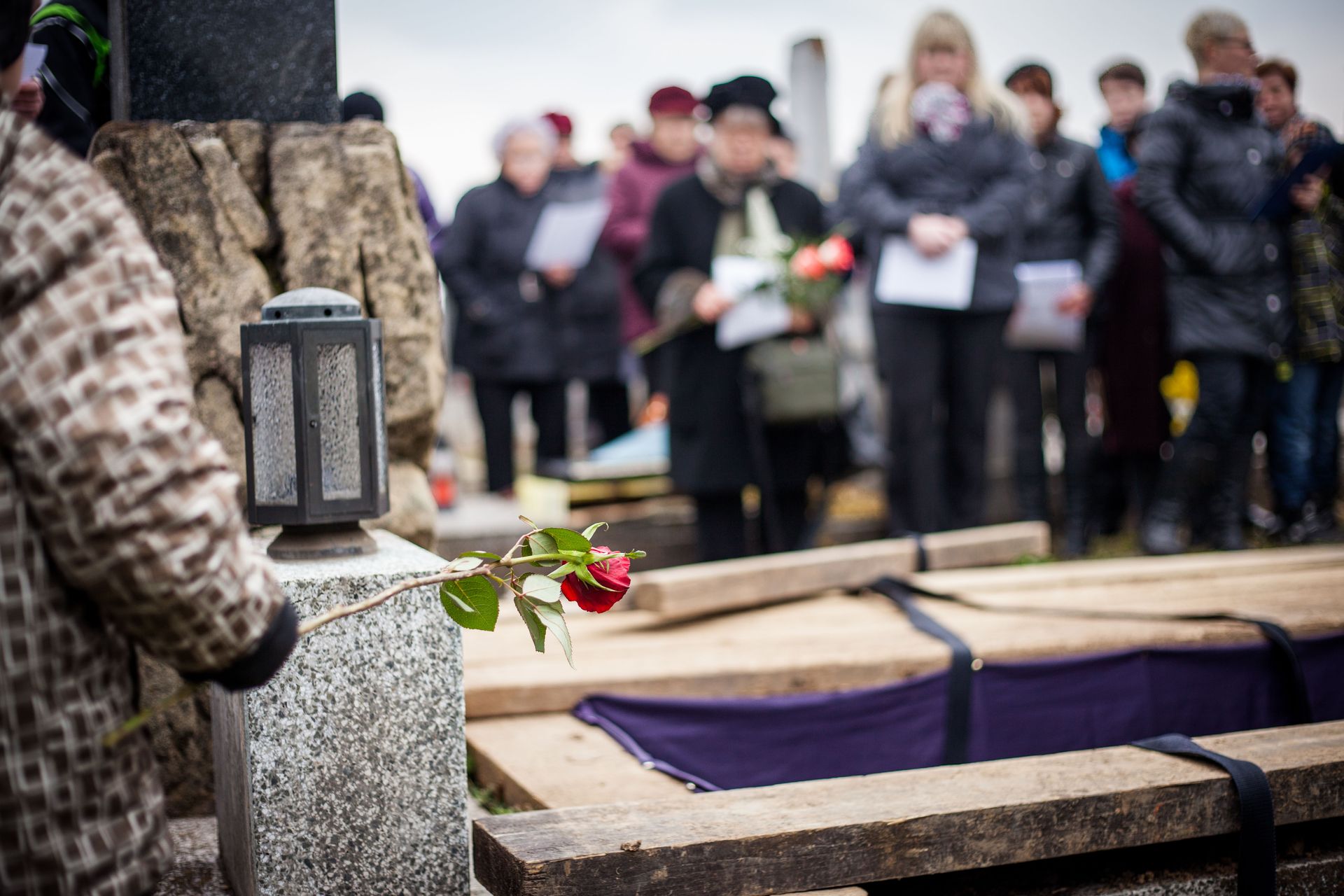
Gravestones, also known as tombstones or headstones, have long been a staple in the cultural practices surrounding death and commemoration. As a tangible reminder of those who have passed, gravestones offer insights into the social, artistic, and religious facets of different eras. Throughout history, the evolution of gravestones has reflected changing attitudes towards death, memory, and legacy. Their presence in cemeteries and churchyards around the world narrates stories not only about individuals but about entire communities. This post explores the rich history of gravestones and their enduring significance in society.
Early Forms
From ancient times, the act of memorializing the dead has been a universal element of human culture. In ancient Egypt, for example, elaborate tomb inscriptions were designed to ensure safe passage to the afterlife. Similarly, in ancient Greece and Rome, grave markers often included epitaphs praising the virtues of the deceased, providing insights into the societal values of those times. These early forms of gravestones were not only about marking a final resting place but also served as historical records that connected the living with their ancestors. As societies evolved, so too did the designs and materials used for gravestones, reflecting the artistic and cultural priorities of each period. Over time, these markers became more than memorials—they became enduring symbols of identity, legacy, and remembrance.
Religious Characters
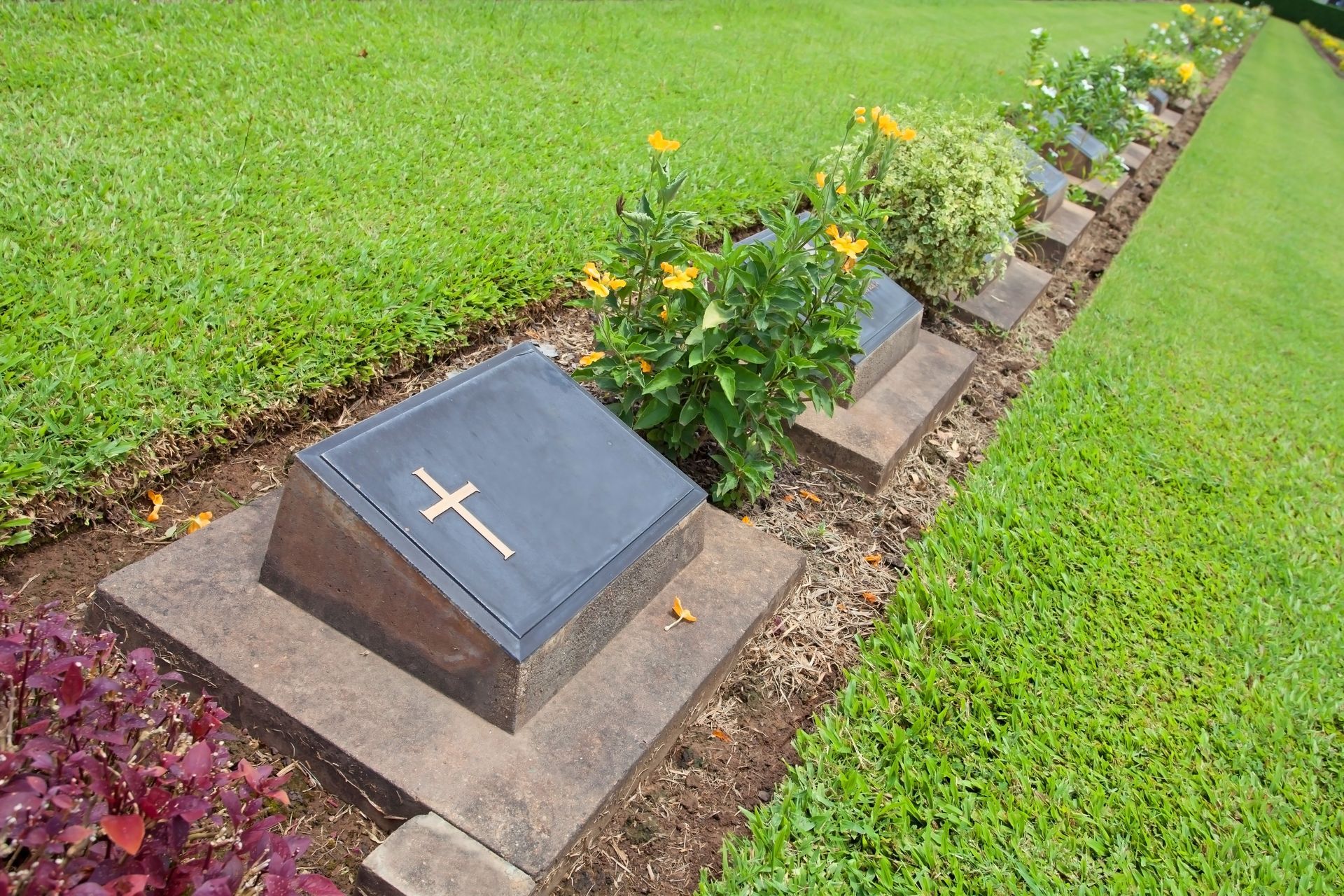
In medieval Europe, gravestones took on a more religious character, often marked with crosses and other symbols of faith. During these times, the church played a central role in burial practices, and churchyards became the preferred burial grounds, especially for the elite. According to Explore Your Genealogy, churchyard gravestones became commonplace from the late 1600s, as growing populations and changes in religious practices led to more structured approaches to burial and commemoration. The use of durable materials like stone for headstones ensured that these markers would endure as lasting testaments to the individuals they honored.
Evolving Designs
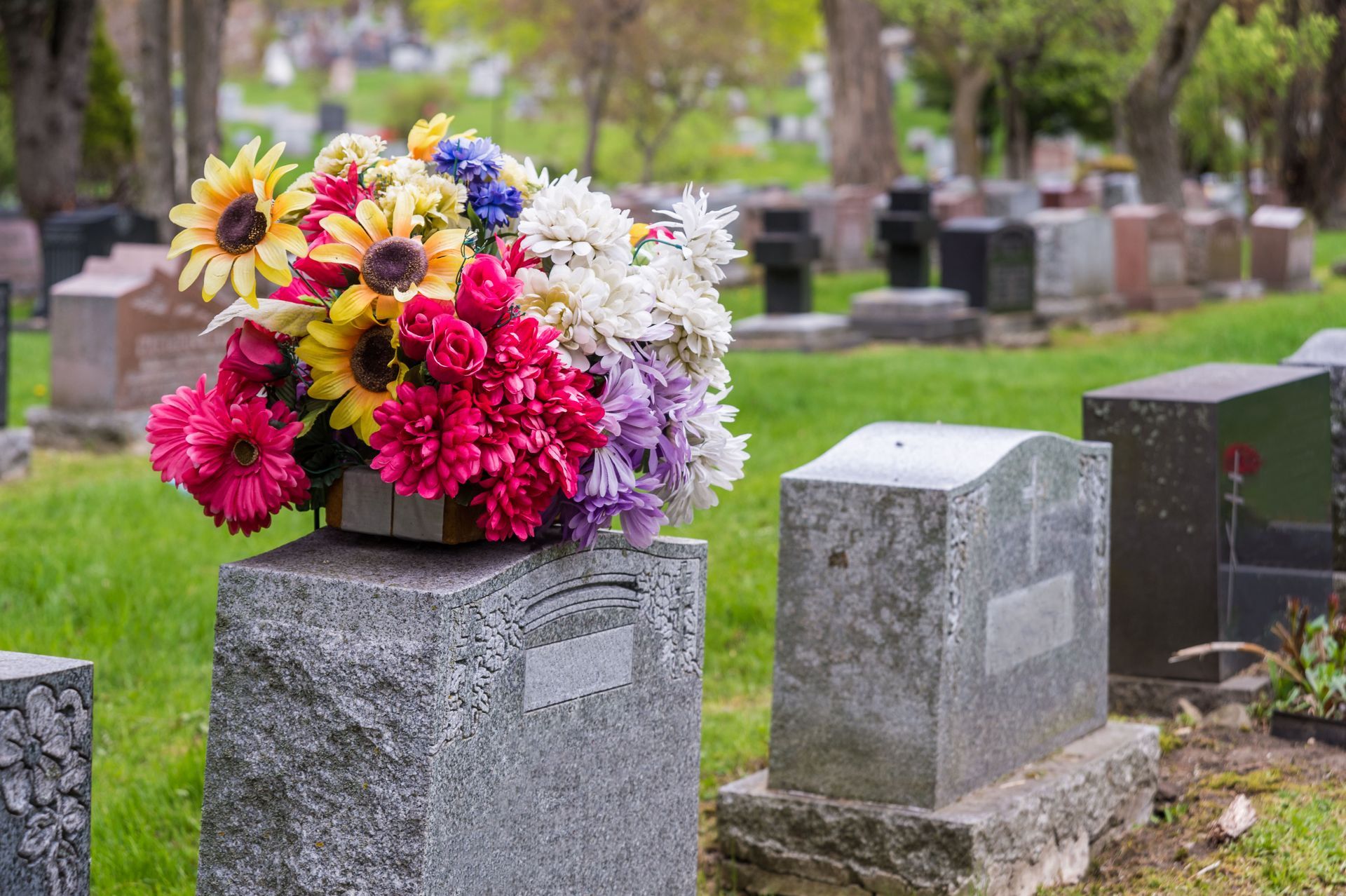
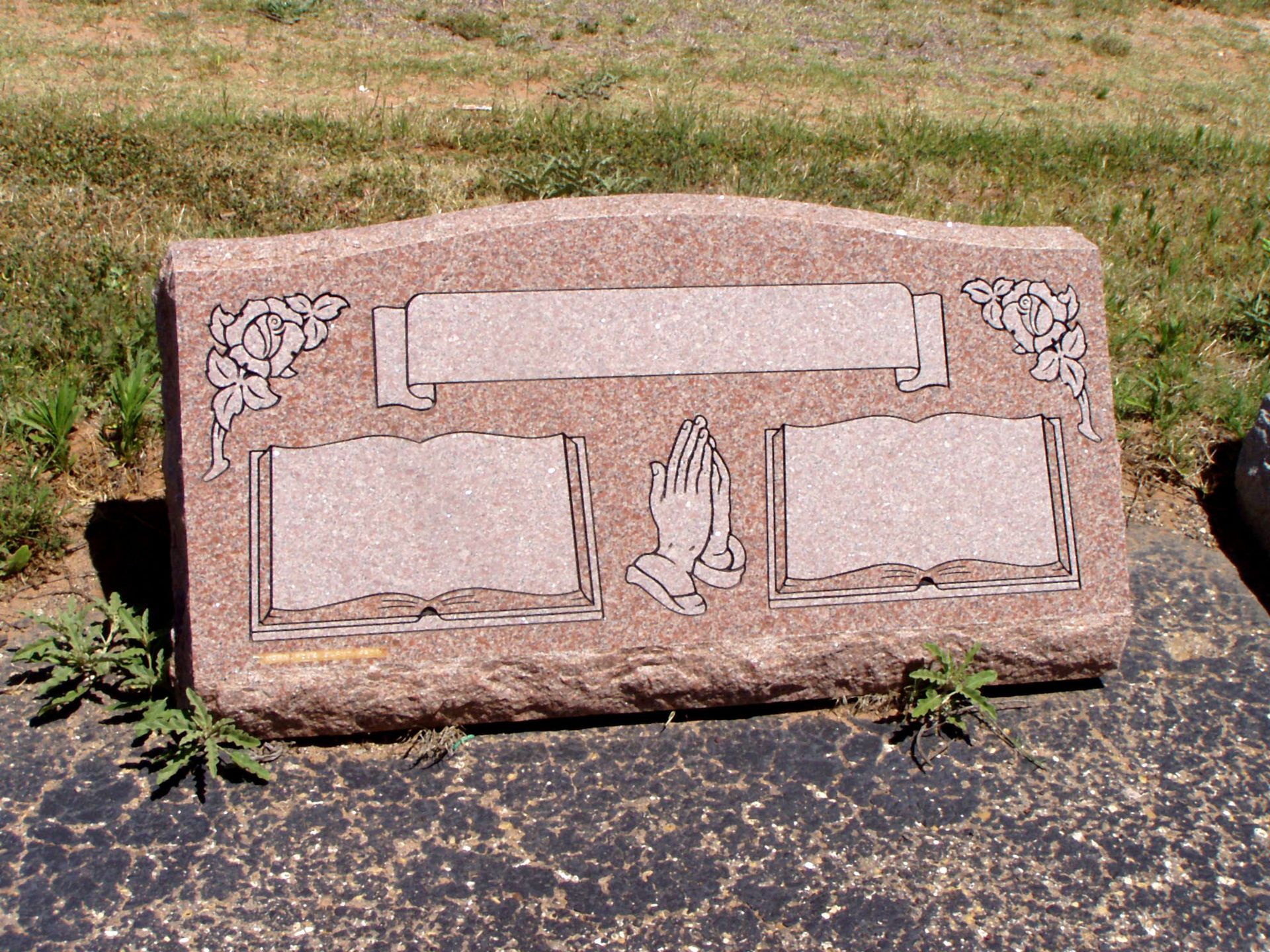
The 18th and 19th centuries saw further innovation in gravestone design, with the introduction of more elaborate carvings and inscriptions. This period was marked by the rise of the individual, and gravestones increasingly reflected personal achievements, familial connections, and social status. With the advent of modern technologies in stone carving, such as machinery that allowed for more detailed and personalized designs, gravestones became even more unique and expressive. This era also marked a time when cemeteries began to be designed as landscaped parks, making them places not only for mourning but for reflection and leisure as well.
Contemporary Gravestones
In the 20th century, gravestones continued to evolve, influenced by changing societal attitudes towards death and memory. The World Wars prompted new forms of memorials to honor the many lives lost, with simpler designs that reflected collective grief and respect for the fallen. Meanwhile, advancements in technology further diversified the ways in which gravestones could be personalized. Today, contemporary gravestones may even incorporate digital elements, offering dynamic ways to remember and celebrate life through QR codes that link to online tributes and genealogies. This modern adaptability demonstrates the gravestone's ongoing relevance in society.
As society moves further into the 21st century, the future of gravestones continues to be shaped by new cultural, technological, and environmental considerations. Eco-friendly burial practices have led to increased interest in biodegradable markers and natural burial grounds, prompting discussions about what it means to leave a lasting legacy. Despite these changes, the fundamental purpose of gravestones as markers of memory and respect remains a constant. They serve as poignant reminders of those who have passed while providing a space for the living to reflect on their own eventual legacy.
Gravestones provide a unique lens through which we can view the intersections of art, religion, and society over the centuries. From ancient tombs to digitally connected memorials, these markers tell us a great deal about the people and times they represent.
As people continue to seek ways to honor those who have passed, gravestones will likely remain a prominent feature of human commemoration. Their enduring presence in our cultural landscape underscores the universal desire to remember and be remembered, a testament to the fundamental human need for connection across time.
Honor your loved one with a memorial that reflects their unique story. Contact Cullis Memorials today to explore timeless, custom gravestone options crafted with care and respect.