The History of Burial, and Whether the Option is Right for You
Burial practices have been an essential part of human culture for centuries, reflecting beliefs about life, death, and remembrance. Across different societies and time periods, the way people honor the deceased has evolved in meaningful ways, shaped by religion, tradition, and changing social values. Today, burial remains a deeply personal decision, influenced by emotional, cultural, and practical considerations. For many families, the presence of gravestones serves as a lasting tribute that preserves memory and creates a place for reflection.
Understanding the history of burial can provide valuable insight into how modern practices came to be and help individuals determine whether this option aligns with their preferences. From early traditions to contemporary approaches, burial continues to offer a sense of permanence and connection that many find comforting. By exploring how burial has developed over time, it becomes easier to evaluate its significance and whether it is the right choice for honoring a loved one.
Early Burial Traditions
Burial practices date back to ancient civilizations, where rituals were closely tied to spiritual beliefs and the afterlife. Early communities often buried their dead with items believed to be useful in the next world, reflecting a strong belief in continued existence beyond death. These practices varied widely across cultures, but they all shared a common goal of honoring the deceased and ensuring a respectful transition.
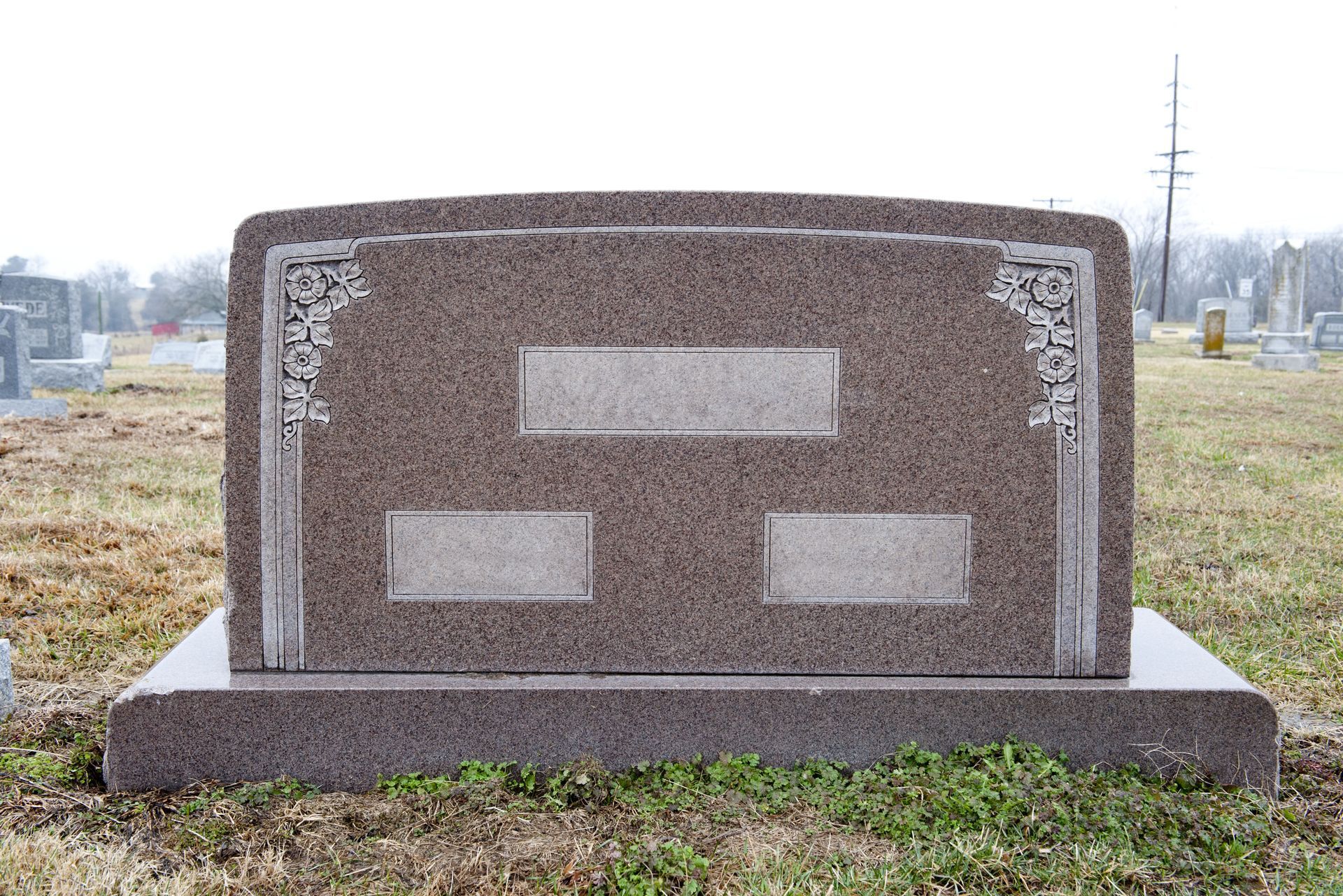
In ancient societies, burial sites were often carefully chosen and sometimes marked with simple indicators. Over time, these markers evolved into more elaborate memorials, eventually leading to the development of gravestones as a way to identify and commemorate individuals. These early traditions laid the foundation for the structured burial practices seen today. This progression reflects humanity’s enduring desire to create meaningful, lasting ways to honor and remember those who have passed.
The Rise of Formal Cemeteries
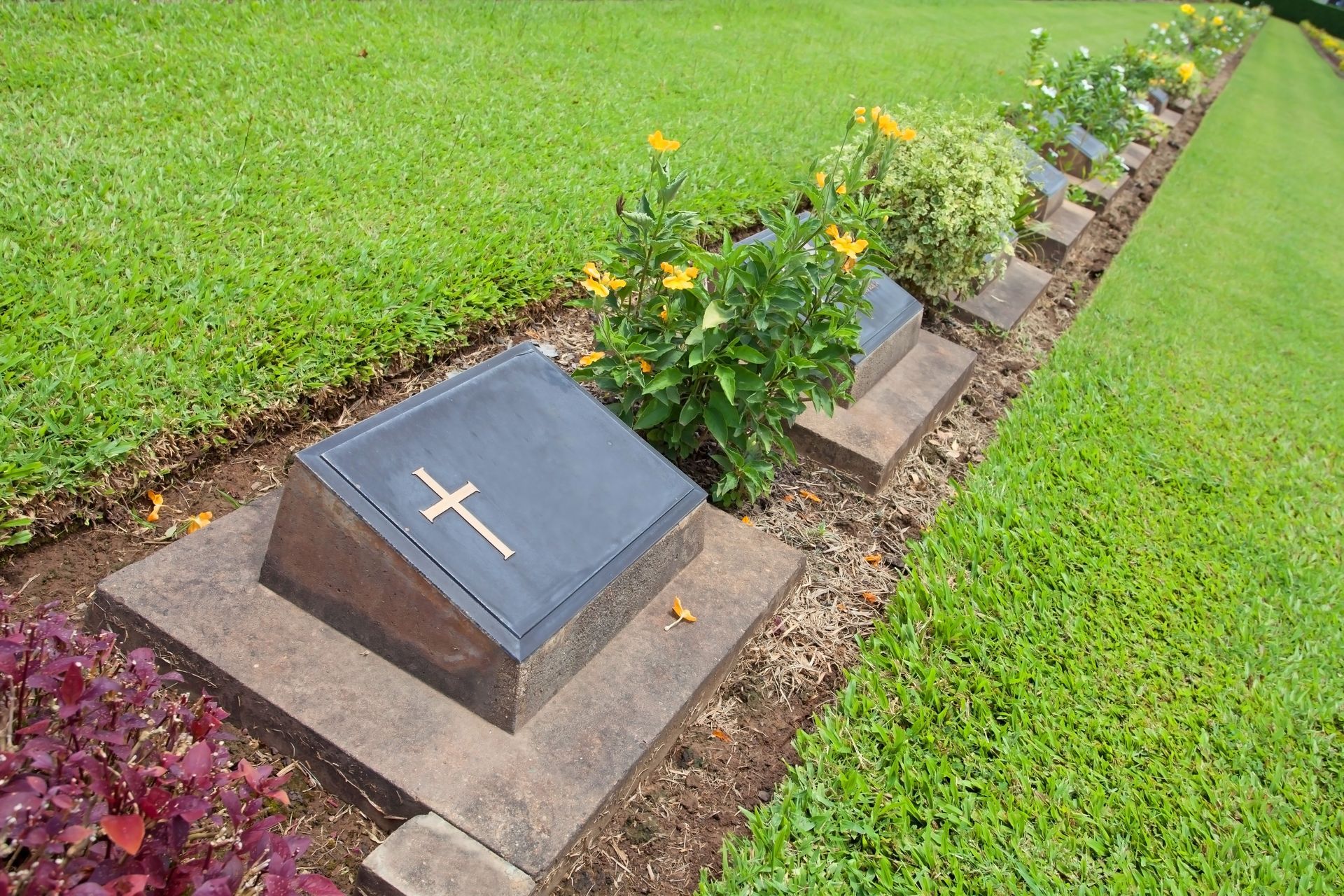
As populations grew and communities became more organized, designated burial grounds began to emerge. Cemeteries provide a centralized location for honoring the deceased, allowing families to visit and maintain a connection with their loved ones. Religious institutions played a significant role in shaping these spaces, often overseeing burial practices and establishing guidelines for memorialization.
According to Explore Your Genealogy, churchyard gravestones became common starting in the late 1600s, marking an important shift toward more standardized memorial practices. This development introduced a greater sense of permanence and personalization, as families could create lasting tributes that reflected individual identities and legacies. Over time, cemeteries became not only places of rest but also spaces for reflection and remembrance.
Cultural Influences on Burial Practices
Burial traditions are deeply influenced by cultural beliefs and customs. Different regions and communities have developed unique approaches to honoring the deceased, often incorporating rituals, ceremonies, and symbols that hold special meaning. These practices can include specific burial positions, ceremonial rites, and the design of gravestones. These variations highlight how burial practices serve not only as a farewell but also as a reflection of identity, values, and collective heritage.
In some cultures, burial is seen as a sacred act that connects individuals to their ancestors and heritage. In others, it serves as a way to celebrate life and preserve memories through storytelling and shared experiences. These cultural influences continue to shape modern burial practices, allowing families to honor their loved ones in ways that align with their values and traditions.
Modern Burial Practices
Today, burial practices have evolved to accommodate a wide range of preferences and needs. While traditional burial remains a popular choice, modern approaches offer greater flexibility and personalization. Families can choose from various types of burial services, cemetery settings, and memorial designs to create a meaningful tribute.
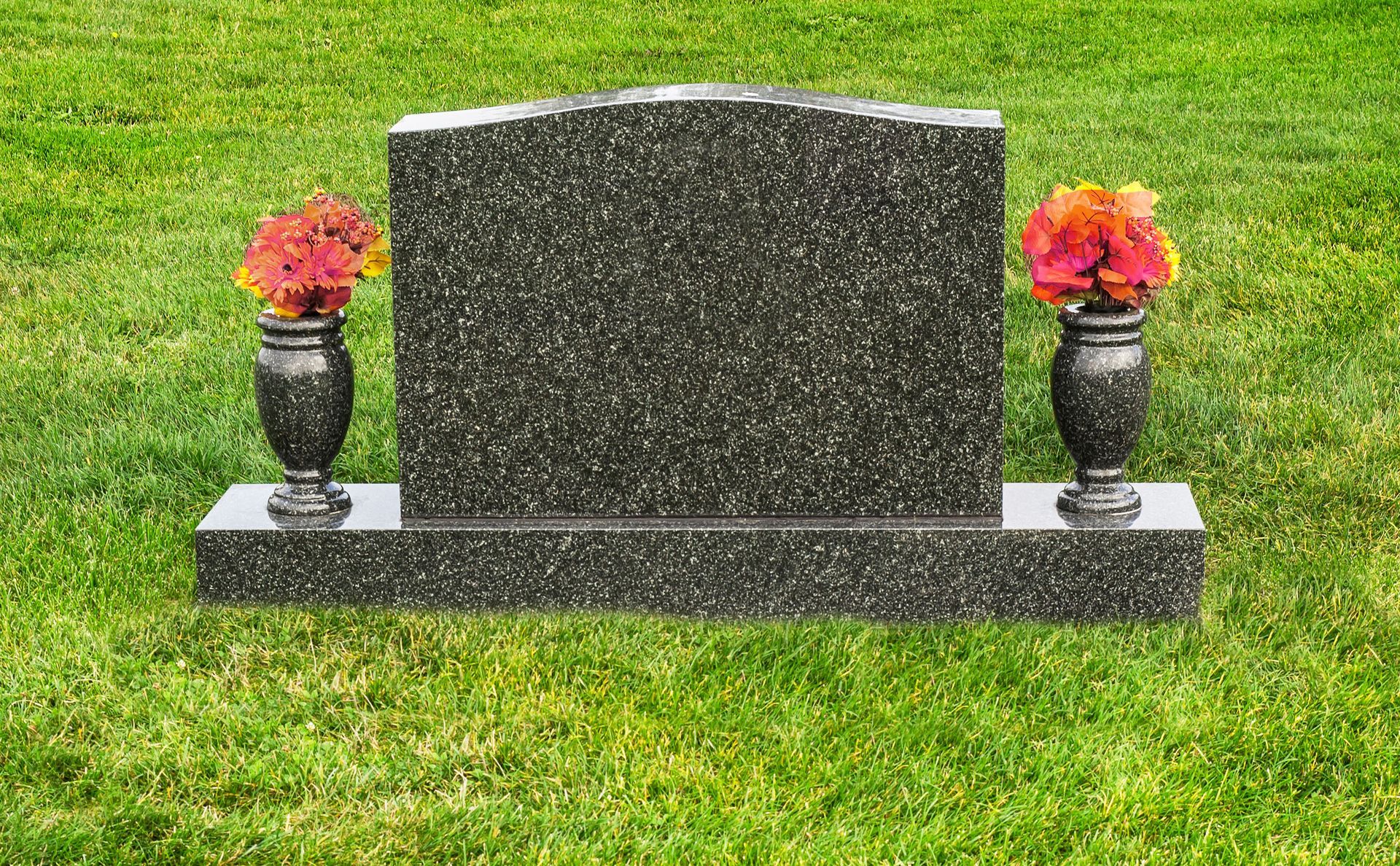
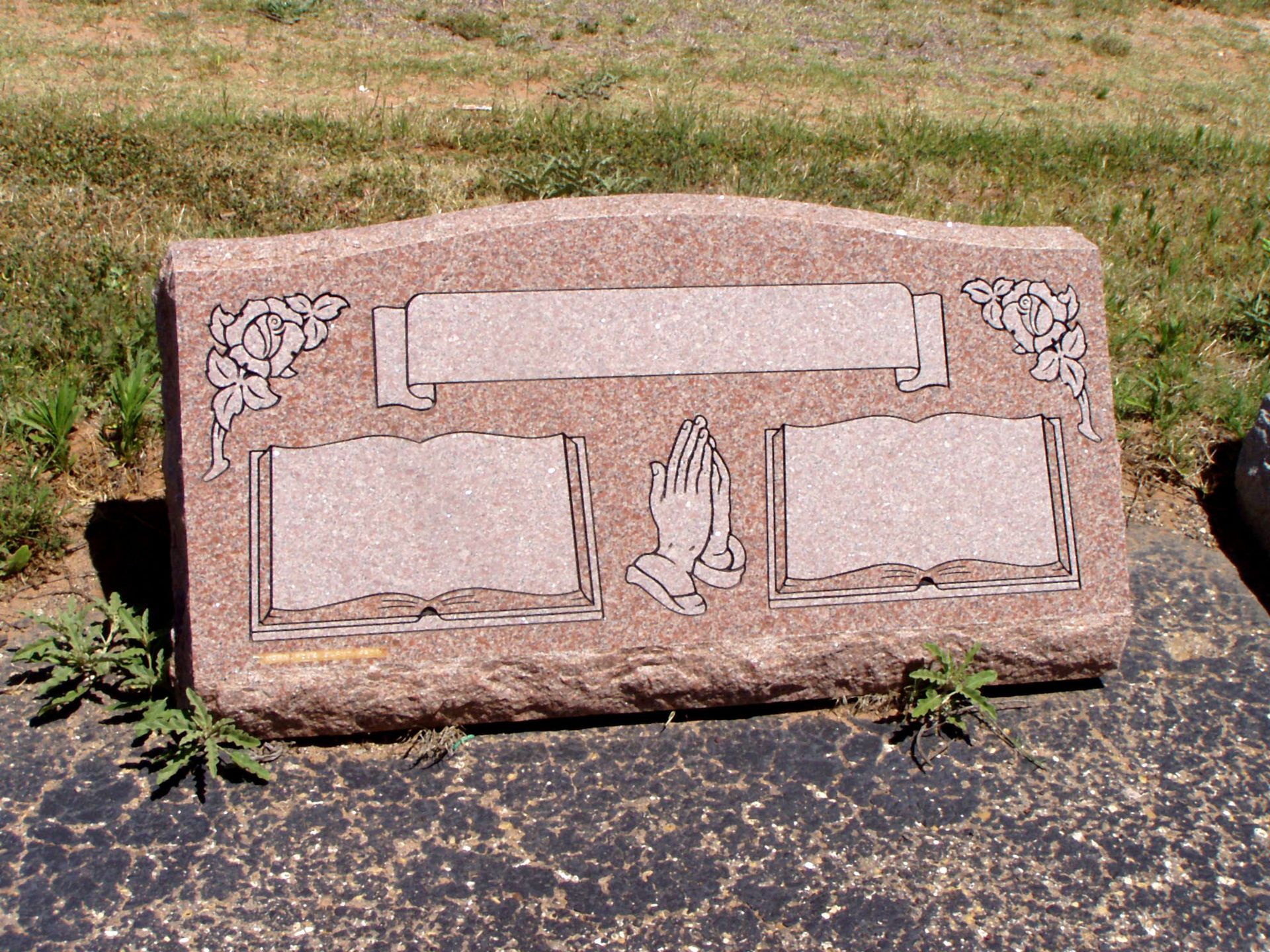
Gravestones continue to play a central role in modern burial, serving as a tangible reminder of a loved one’s life. Advances in materials and craftsmanship have expanded the possibilities for customization, allowing for unique designs that reflect personal stories and identities. This evolution has made it easier for families to create memorials that feel both meaningful and enduring.
In addition, modern burial practices often emphasize comfort and support for families. Professional services help guide individuals through the process, ensuring that all aspects of the burial are handled with care and respect. This approach allows families to focus on honoring their loved ones without the added stress of navigating complex arrangements.
Emotional and Personal Considerations
Choosing burial is often a deeply emotional decision, influenced by personal beliefs, family traditions, and individual preferences. For many, the idea of having a dedicated place to visit and remember a loved one provides a sense of comfort and connection. Gravestones serve as a focal point for these moments, offering a space for reflection and remembrance.
Burial can also provide a sense of closure, helping families navigate the grieving process. The act of visiting a cemetery and maintaining a memorial can create ongoing opportunities to honor and celebrate the life of the deceased. This connection can be especially meaningful for those who value tradition and the presence of a physical tribute.
At the same time, it is important to consider how burial aligns with personal values and circumstances. Factors such as cultural background, spiritual beliefs, and family expectations can all play a role in shaping this decision. Taking the time to reflect on these elements can help individuals determine whether burial feels like the right choice.
Practical Factors to Evaluate
In addition to emotional considerations, practical factors also play a role in deciding whether burial is the right option. These factors can include location, accessibility, and long-term maintenance of the burial site. Choosing a cemetery that is convenient for family members can make it easier to visit and care for the memorial over time.
Gravestones require thoughtful selection to ensure durability and lasting quality. Professional guidance can help families choose materials and designs that withstand environmental conditions while maintaining their appearance. This ensures that the memorial remains a meaningful tribute for years to come. Careful planning in this process helps preserve both the structural integrity and the emotional significance of the memorial over time.
It is also important to consider how burial fits within broader planning decisions. Working with experienced professionals can provide clarity and support, helping families navigate the process with confidence. This approach ensures that all aspects of the burial are handled with care, allowing families to focus on honoring their loved ones in a meaningful way.
The history of burial reflects a long-standing human desire to honor, remember, and stay connected to those who have passed. From early traditions to modern practices, burial has evolved into a deeply personal choice that carries both emotional and cultural significance. The presence of gravestones continues to provide a lasting tribute, offering families a place to reflect, remember, and celebrate the lives of their loved ones.
Deciding whether burial is the right option involves careful consideration of both personal values and practical factors. By understanding the history and significance of burial, individuals can make informed decisions that align with their beliefs and needs. With thoughtful planning and professional support, burial can serve as a meaningful and enduring way to honor a life well lived.
At Cullis Memorials Inc, we understand how important it is to create a lasting tribute that truly reflects the life and legacy of your loved one. We are here to guide you through every step of the process, helping you choose gravestones that honor your memories with care, quality, and compassion.