With So Many Memorials, Which One Is Right for You?
Choosing a memorial is a profoundly personal decision—one that encapsulates a lifetime of memories, honors the unique identity of the deceased, and provides a physical or digital anchor for the complex landscape of bereavement. Far from being a mere marker of a life's end, a memorial serves as an enduring legacy, tracing the delicate intersection between an individual's private story and a family's collective history. Whether you select a timeless granite monument, an eco-conscious green burial, or a dynamic digital space, the options available today reflect an unprecedented array of personal, cultural, and societal values.
Understanding the Purpose of Memorials
The Historical and Cultural Continuum
Memorialization is woven directly into the fabric of human history. Historically, monuments were designed to narrate a community's triumphs and tragedies, preserving the memory of historical moments and individual legacies. Ancient civilizations built monumental architectures—such as the Egyptian pyramids, Celtic dolmens, and Roman mausoleums—to safeguard the soul's transition into the afterlife and display societal status.
Culturally, the expression of grief and memory takes beautifully diverse forms around the globe:
- Ancestral altars (Butsudan) and (Kamidana) in Japanese households maintain a living, daily connection with deceased relatives through incense and food offerings.
- The Día de los Muertos (Day of the Dead) celebrations in Mexico transform grief into vibrant, communal joy, welcoming the spirits of ancestors back with colorful altars ( ofrendas ) and marigolds.
- Western cemetery traditions have transitioned from somber, puritanical slate markers warning of mortality to park-like garden cemeteries that celebrate an individual's hobbies, passions, and relationships.
The Psychological Anchor for Bereavement
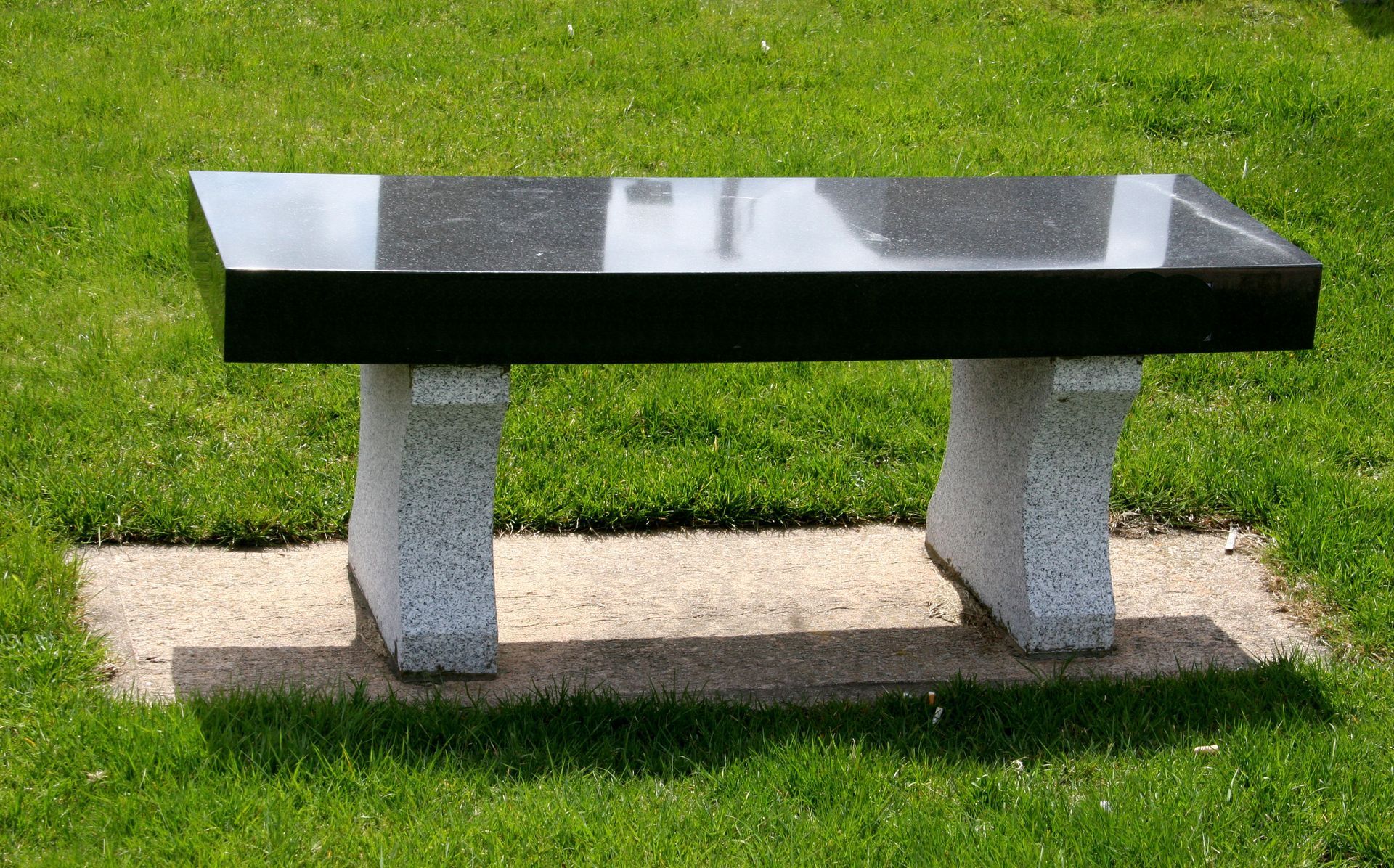
On a psychological level, memorials provide a concrete focal point for the fluid, non-linear process of grieving. Grief can feel untethered and overwhelming; a physical memorial offers an intentional space where that sorrow can be externalized. Many find profound solace in visiting a gravesite, columbarium, or memorial bench, discovering a quiet sanctuary where emotions can find refuge in the permanence of the surrounding landscape.
Types of Memorials: Navigating the Modern Landscape
The modern memorial market is split into three primary philosophies: traditional, cremation-centric, and ecological.
1. Traditional Monuments and Headstones
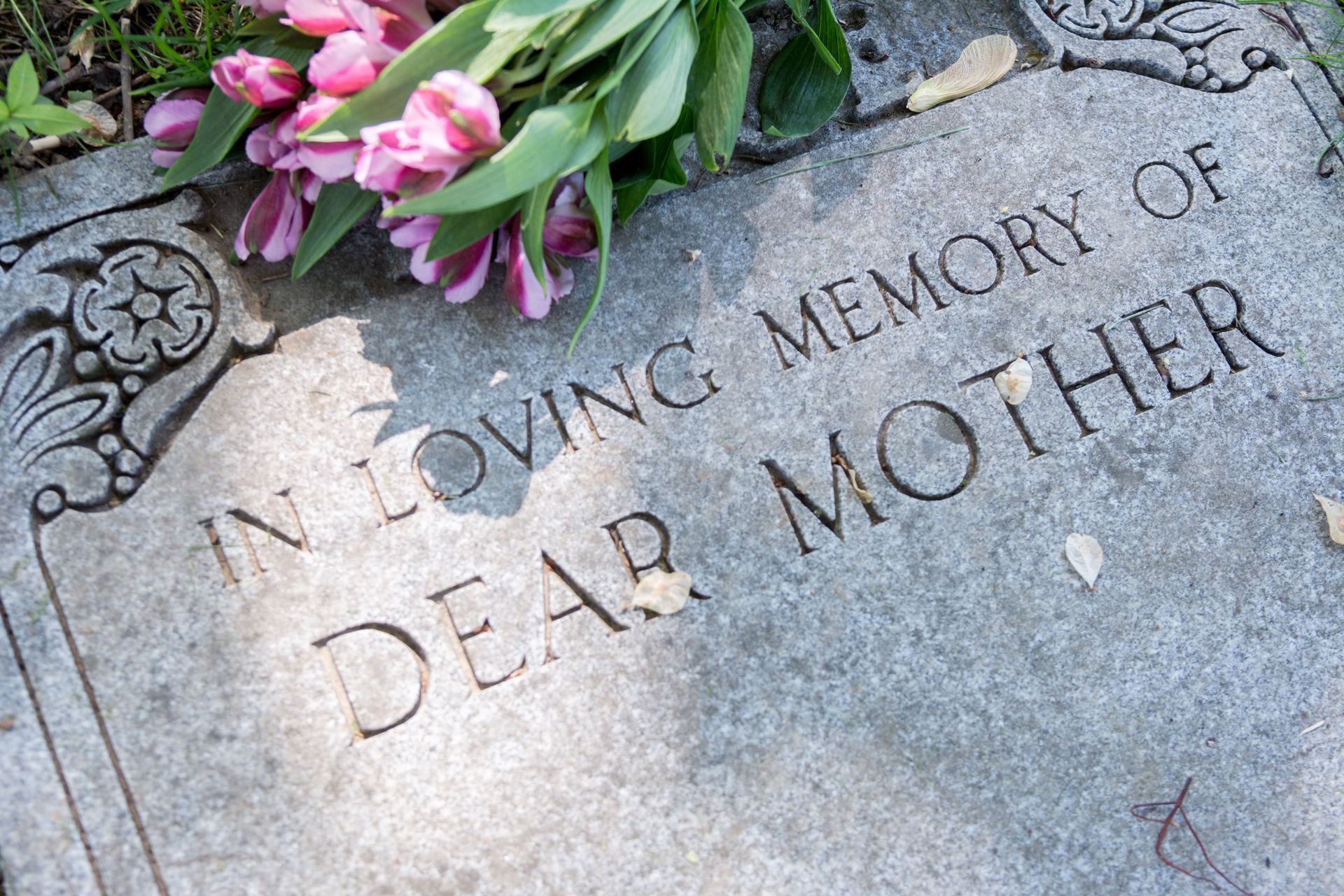
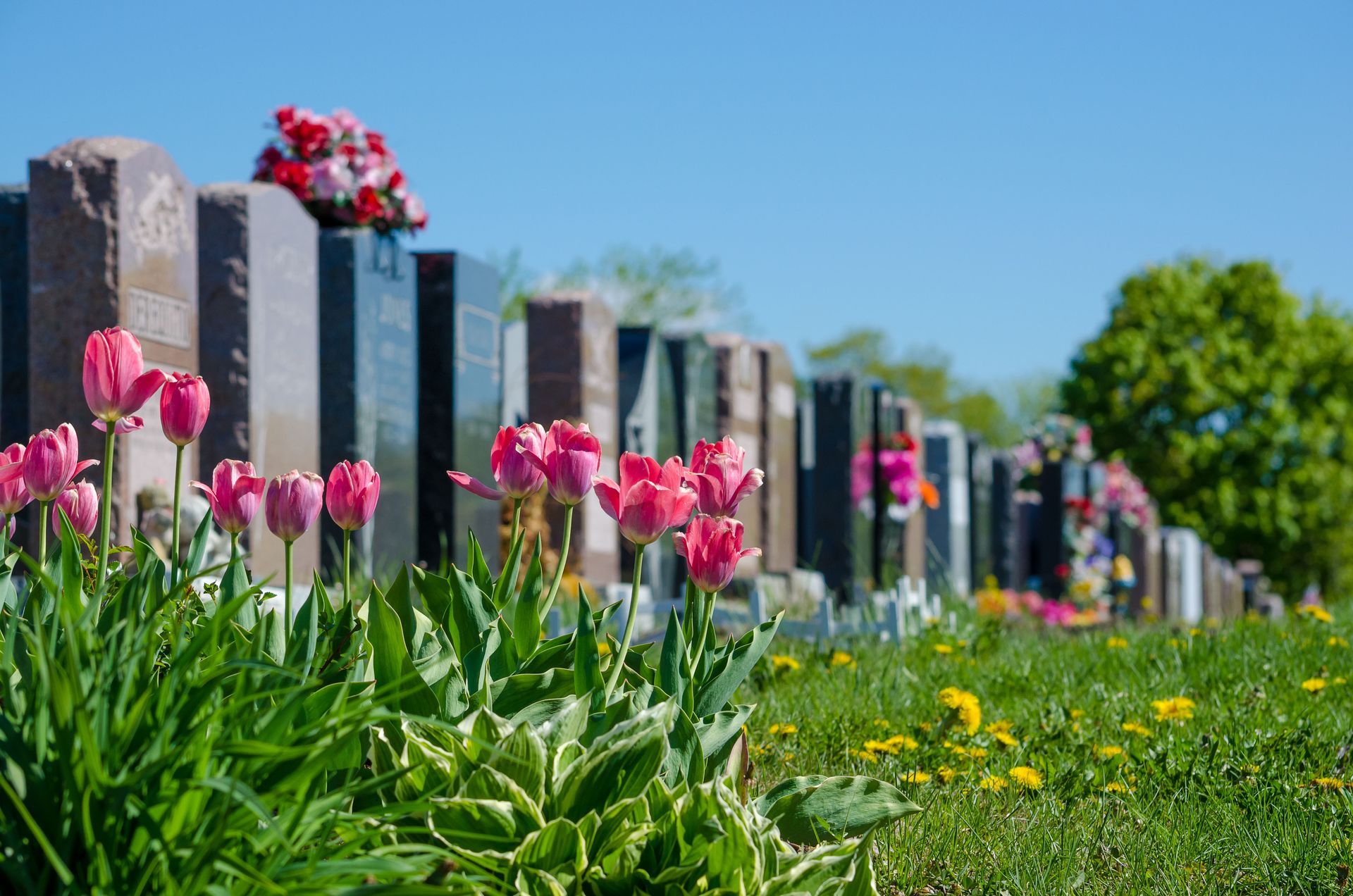
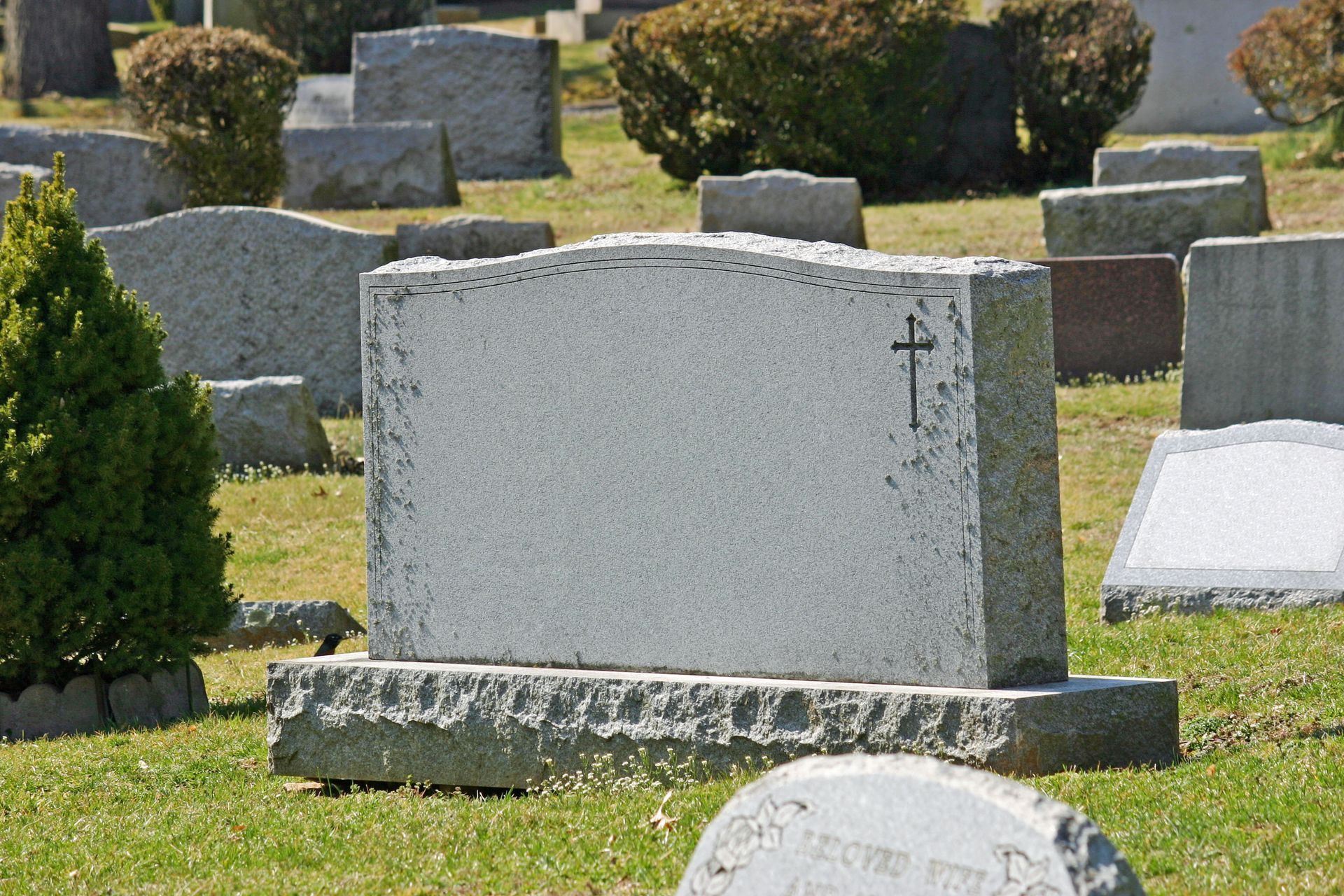
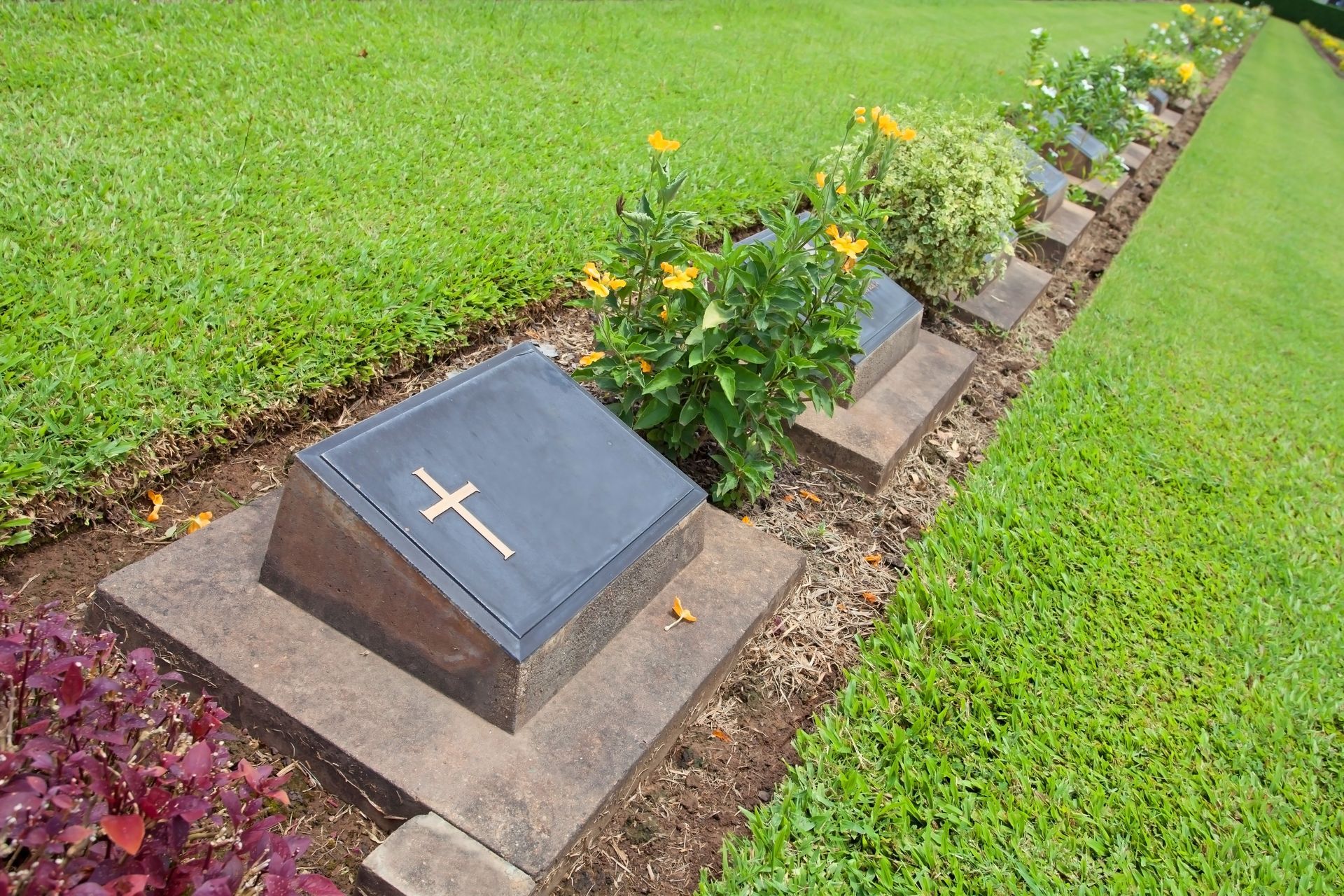
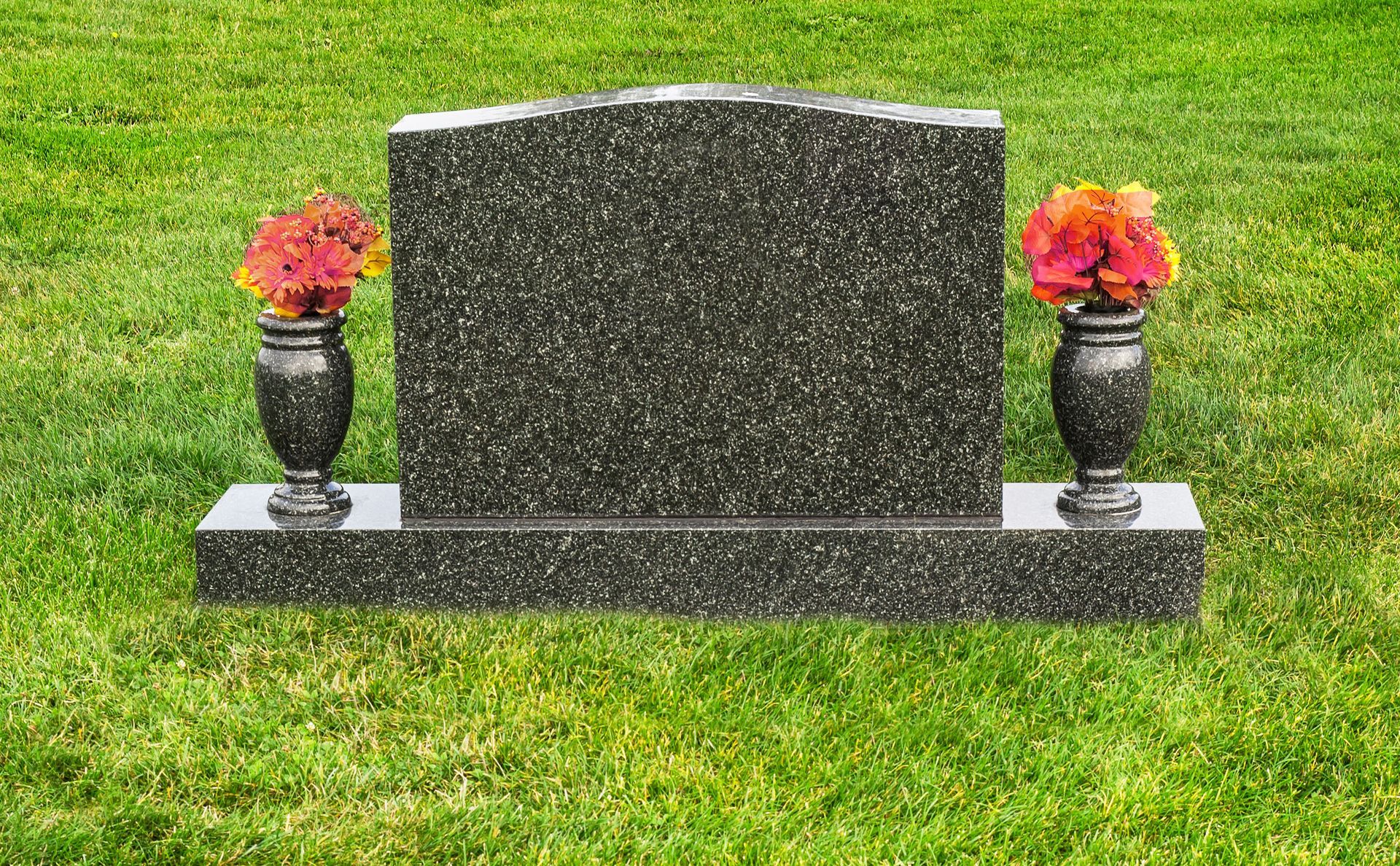
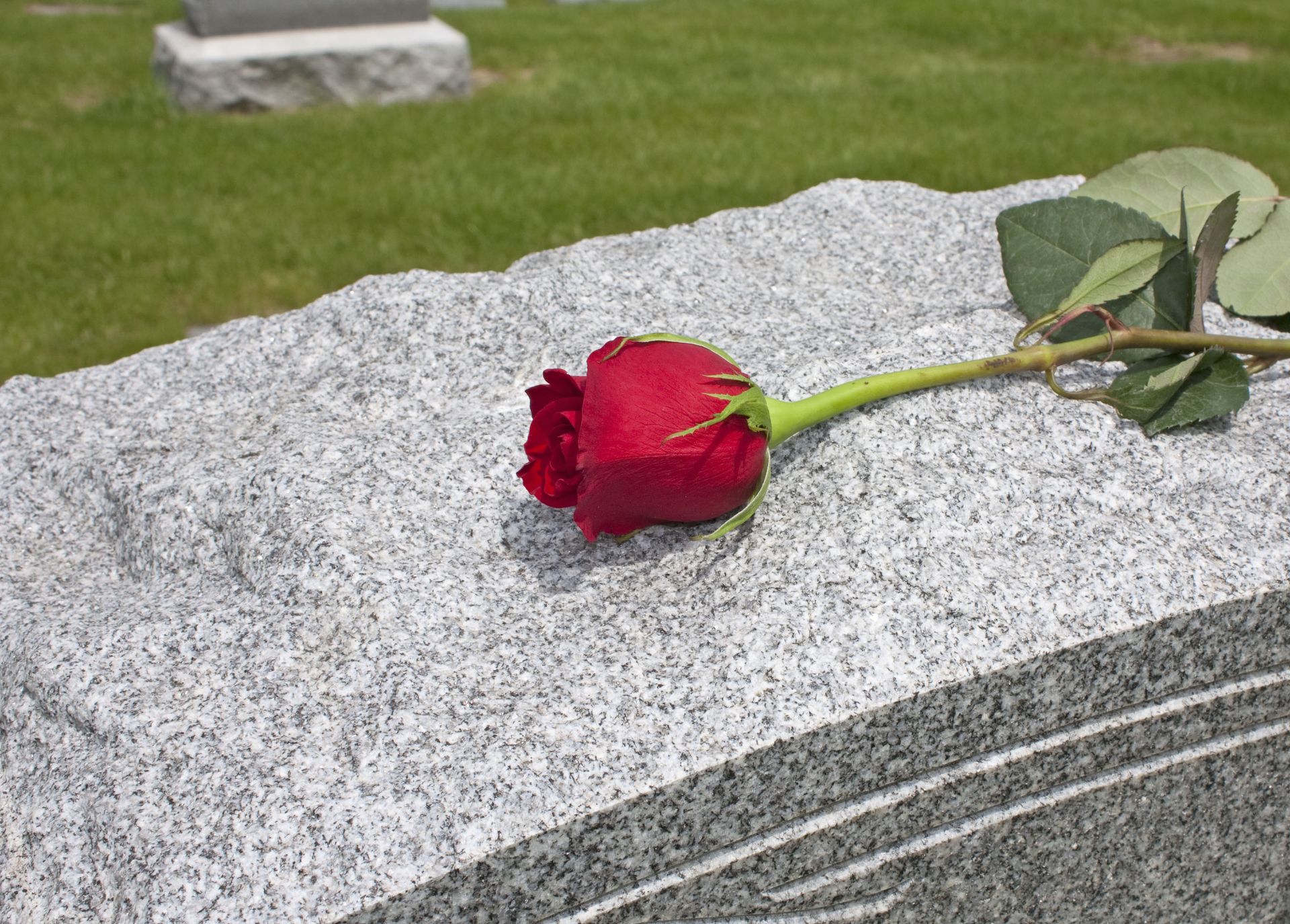
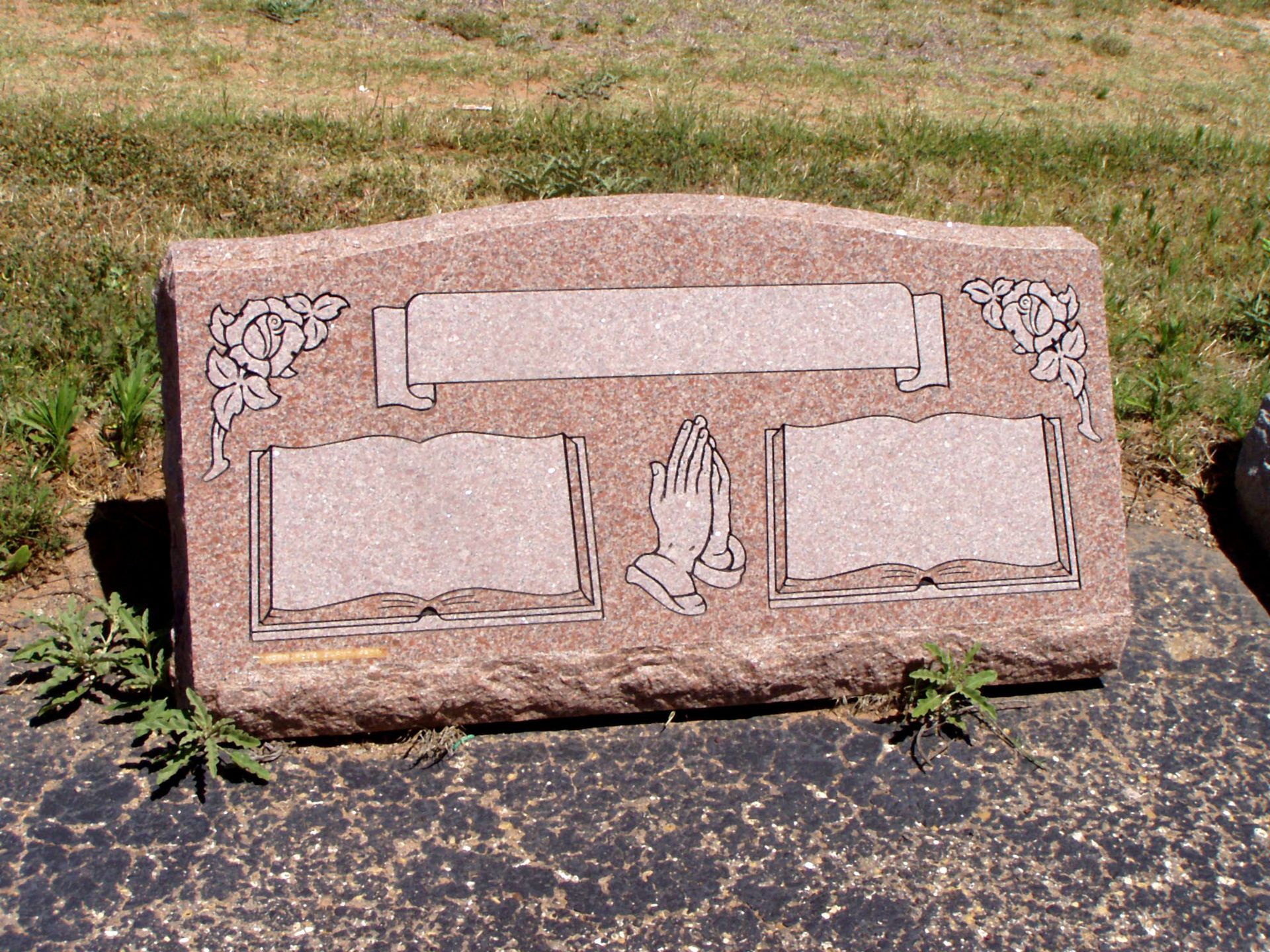
Classic stone headstones remain a deeply comforting option for families seeking a tangible, multi-generational anchor. Built primarily from high-grade igneous rocks like granite or metamorphic rocks like marble, these monuments are engineered to withstand extreme weather and centuries of exposure. Families can choose between upright monuments, flat slant markers, or expansive private estate mausoleums, depending on the cemetery's layout and family preferences.
2. Cremation and Ash Tributes
Cremation has shifted from an alternative choice to the dominant standard across the country. According to the National Funeral Directors Association (NFDA), cremation rates have climbed past 60% in the mid-2020s and have held steady, with modern families overwhelmingly prioritizing the flexibility and affordability that cremation provides.
This shift has unlocked a wave of creative, highly personal memorial options:
- Columbarium niches: Recessed wall spaces within a cemetery or church where an urn is permanently housed and sealed behind glass or granite fronts.
- Scattering gardens: Dedicated, beautifully landscaped cemetery grounds with water features where ashes can be laid to rest naturally.
- Cremation glass and jewelry: Infusing a small portion of a loved one's ashes into hand-blown glass sculptures, or compressing them into genuine, lab-grown memorial diamonds.
3. Natural and Ecological Memorials
As environmental consciousness drives consumer behavior, green burials and sustainable memorial practices have surged in popularity. These options reject chemical embalming, concrete burial vaults, and metal caskets in favor of a natural return to the earth.
- Green burial grounds: Protected woodlands or meadows where bodies are buried in biodegradable wicker, bamboo, or simple pine caskets, allowing the land to remain a natural wildlife sanctuary.
- Living tree urns: Biodegradable urns that house ashes alongside a sapling, transforming a loved one's physical remains into the root system of a growing oak, maple, or pine tree.
- Eternal reefs: Mixing cremated remains into an eco-friendly concrete mixture to create artificial reef balls, which are placed on the ocean floor to rebuild damaged marine habitats.
Factors to Consider When Choosing a Memorial
Selecting a memorial requires balancing deep emotional desires with practical, legal, and financial constraints.
Respecting Final Wishes and Family Dynamics
The first priority is honoring any directives left behind by the deceased. Pre-planning documents take the guesswork out of the process, but if no instructions exist, open communication among immediate family members is essential. Agreeing on the core philosophy of the memorial early on prevents emotional friction during an already stressful period of acute grief.
Navigating Religious and Cultural Traditions
Different faiths outline specific boundaries regarding memorialization. Traditional Judaism mandates a simple headstone unveiled close to the one-year anniversary of the passing, strictly forbidding cremation. The Catholic Church permits cremation but requires that ashes be buried or entombed in sacred ground rather than scattered or kept at home. Understanding these theological frameworks ensures the selected tribute remains an authentic extension of the family's heritage.
Customizing Your Memorial
Modern craftsmanship has transformed the way we tell life stories on stone and metal, allowing for deep customization.
Personalized Inscriptions and Digital Integration
Epitaphs have evolved past simple names and dates. Advanced sandblasting and impact-etching technologies allow families to render high-definition portraits, sprawling landscape backgrounds, and intricate hand-drawn illustrations directly onto the stone face.
Furthermore, technology has bridged the physical and digital worlds:
- QR-coded headstones: Small, weather-resistant QR codes can be permanently attached or laser-etched onto a monument.
- Interactive tributes: When a visitor scans the code with a smartphone, it opens a secure, digital memorial page featuring photo galleries, video clips, musical playlists, and an interactive guestbook for sharing memories.
Collaborating With Local Artisans
For families seeking an entirely bespoke monument, bypassing mass-produced catalogs to collaborate with local sculptors, stone carvers, or glassmakers yields a one-of-a-kind piece of remembrance art. This route supports local creative economies while ensuring your loved one's monument stands as an artistic, distinctive landmark within the cemetery landscape.
Legal, Logistical, and Future Considerations
Deciphering Cemetery Bylaws
Before purchasing a monument from a third-party builder, you must consult the specific rules and regulations of your chosen cemetery. Cemeteries maintain strict control over their landscape to ensure uniformity and ease of maintenance.
- Zone constraints: Certain sections of a cemetery may be explicitly zoned for flat bronze markers flush with the lawn, while upright monuments are completely prohibited.
- Dimensional dimensions: Regulations will dictate maximum height, width, and thickness allowances for stones, alongside mandatory border margins.
- Approval portals: Most cemeteries require an official permit submission detailing the exact specifications and text of the stone before it can be delivered or installed.
Long-Term Maintenance and Structural Care
A monument is exposed to harsh frost, sun oxidation, lawnmower debris, and hard water stains. Understanding your long-term maintenance responsibilities is key:
- Perpetual care funds: Many modern cemeteries build a maintenance fee into the initial plot purchase to cover lawn care, road upkeep, and general landscaping.
- Stone preservation: Regular cleanings using soft-bristled brushes and clean water (avoiding harsh household chemicals or pressure washers) keep granite clean and prevent biological growth like moss or lichen.
- Foundation setting: Over time, heavy rain or soil shifting can cause high-tonnage monuments to lean. Ensuring your installation team provides an engineered concrete foundation prevents shifting down the line.
Finding a Fitting Tribute
Choosing the right memorial is a delicate balance of personal values, cultural traditions, and practical realities. With an ever-expanding spectrum of options—spanning traditional granite monuments, living green sanctuaries, and global digital networks—families can craft a highly customized tribute that truly reflects the spirit of the deceased.
By taking the time to research material longevity, understand cemetery regulations, and consult with family members, you can establish an authentic landmark of remembrance—one that honors a life beautifully lived while supporting the healing journey of those left behind. At Cullis Memorials, we're here to support you, so reach out today to learn more.